We are on the move! After spending our first month in our humble abode in San Pedro on Ambergris Caye, it was time to say goodbye to the ocean, temporarily stow our scuba gear, and head to the interior of Belize to see yet another side of this multifaceted country. Now that we have a week of hindsight to offer some perspective, we can safely say that even though we thought San Pedro was pretty quiet and laid back (and parts of it are), we now realize that although small in proportion, it did have the hustle and bustle of a city, complete with the noise, relative chaos, and grit and grime that comes with living in the hub of a sizeable Central American town. We are learning that scale is relative – a 20,000 person town in the US would probably be considered sleepy and quiet, but a comparable city here in Belize is awash in activity.
After catching a ferry back to Belize City on the mainland, we packed ourselves into a mini-bus for the 2 hour ride up into the hills of San Ignacio. The bus ride alone rekindled the optimism of youth as 90% of the other riders were 20-somethings on the backpacking circuit of Central America. We chatted with Welsh Harry and Irish Rosie (really no choice since we were basically sitting in each other’s laps), munched on the ubiquitous burritos and plantain chips, and watched the entire landscape and culture change as the miles churned by.
Oceans and marshlands gave way to hills (could maybe even call them small mountains) as we chugged our way through a verdant valley of mostly small, subsistence farms. Everything was very modest from the fruit stands on the side of the road to the little villages that always had a few barbecues cooking chicken and rice & beans to clapboard houses that made us think of small pioneer towns in US of old, but with brighter colors. The one constant from sea to mountains continues to be the unequivocal warmth and friendliness of the Belizean people. Everybody says hello and it’s fairly common for a random person to start a conversation when the opportunity presents itself. Maybe because interactions of this sort in the US often start or end with a ‘down-on-my-luck’ sign/story and an ask, we are always surprised that it doesn’t here. These strangers sometimes share vivid details of their lives, of steep challenges and of getting by on very little, but there is also immense pride in how they live their lives, care for their families, and do everything they can to boost their children up a few rungs on the ladder of life. The geographic circle for the average Belizean may be small when measured in miles or experiences, but their sincere friendliness, commitment to their families, and strong work ethic seem to know no limits.
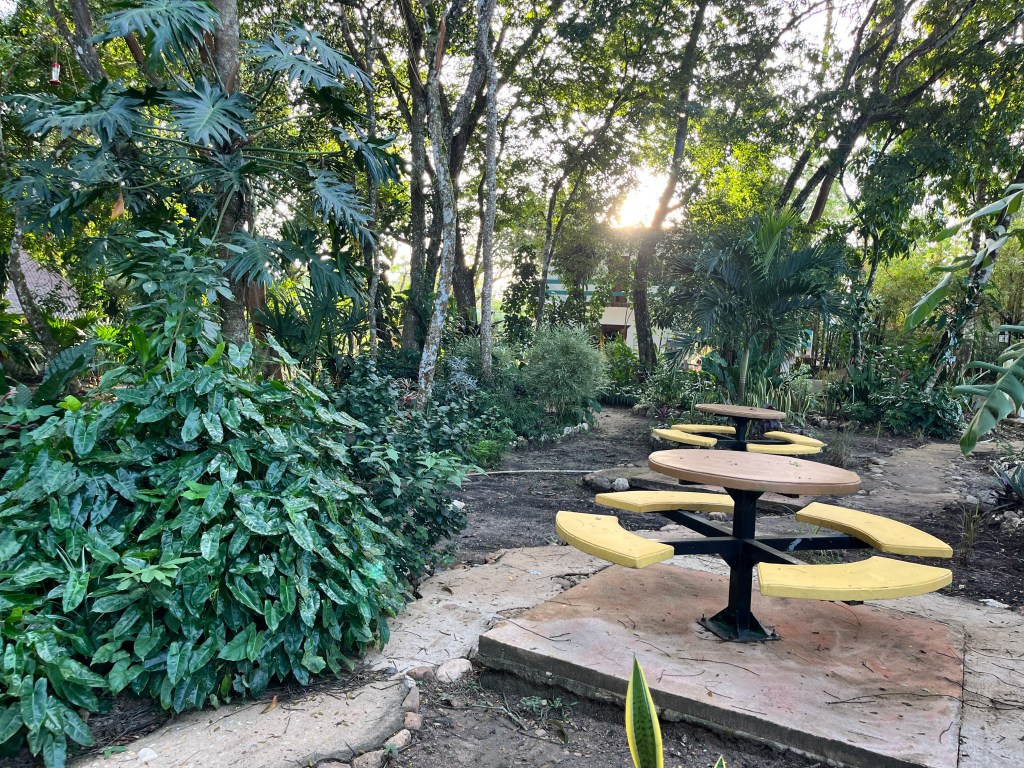
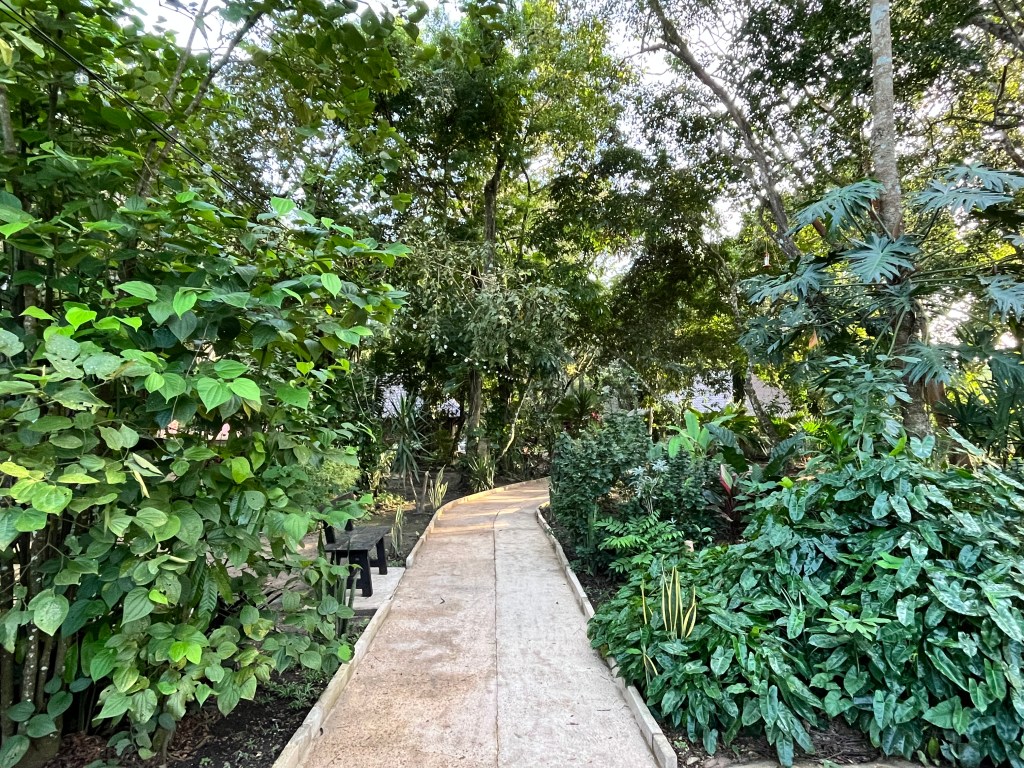
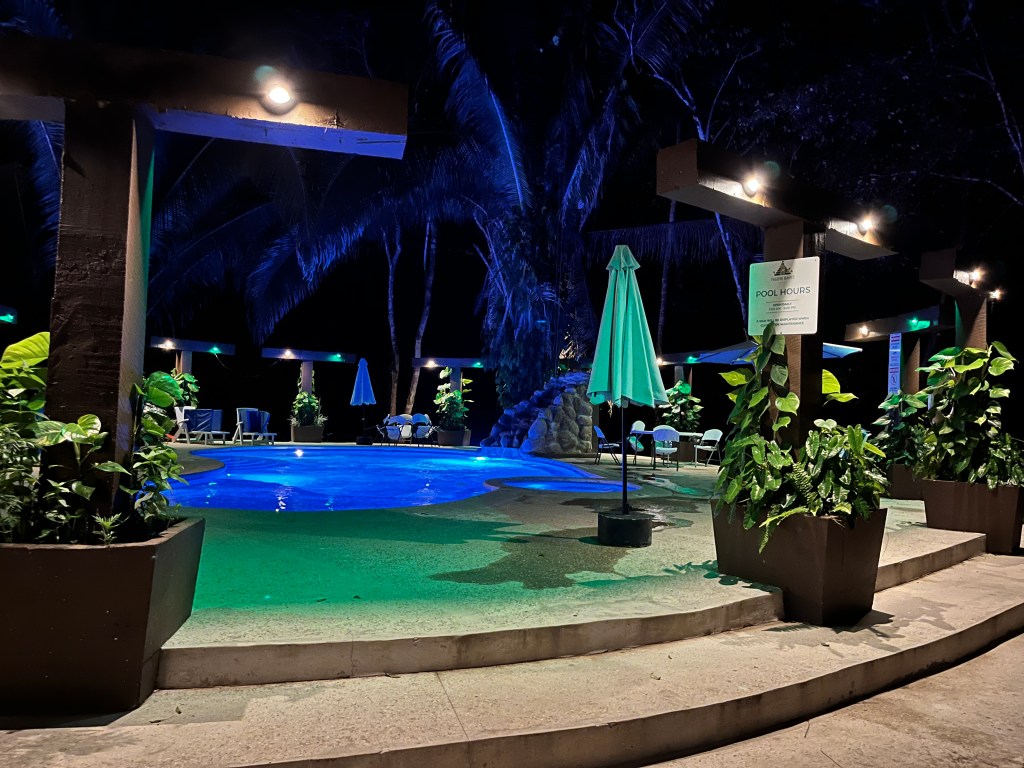
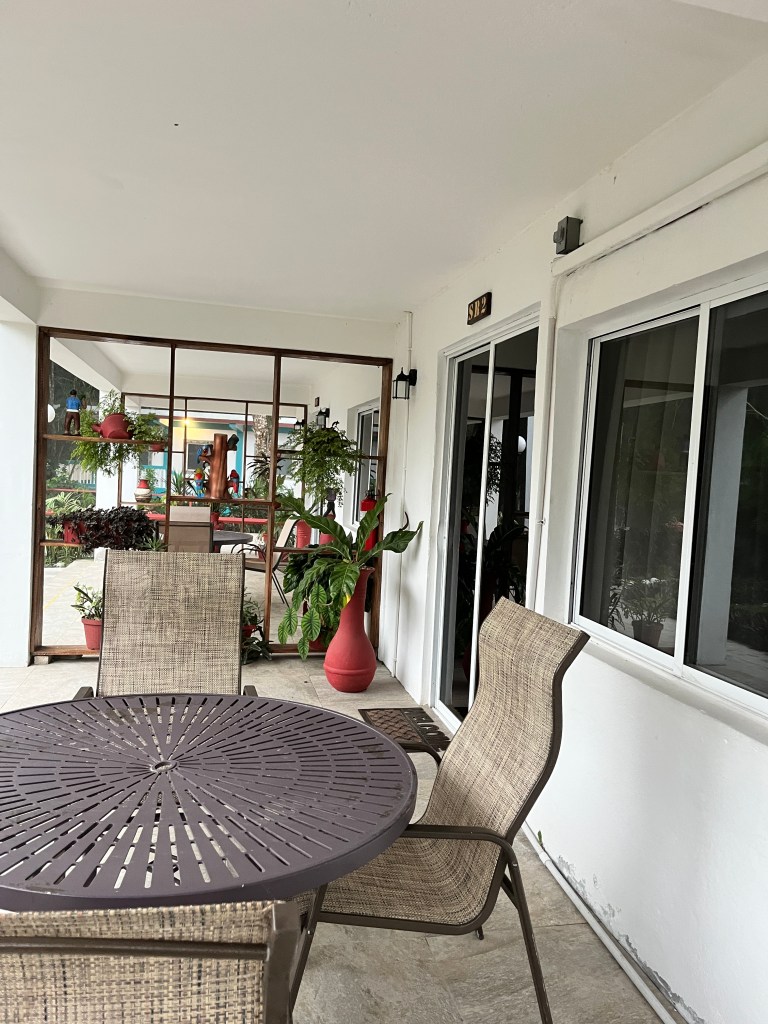
After checking into the Falling Leaves Lodge, a lovely hotel tucked in the rainforest, even Eric appreciated the amenities of hot water that lasted more than a few minutes, a floor that stayed clean even when the windows were open, and the soft sounds of the jungle creatures as our background soundtrack. Although only about a 15 minute walk downhill to town, none of the hotel reviews mentioned that walking back from town required a climb that would qualify as a double black diamond ski run if it snowed in Belize (sore calf muscles make for good memories). We made this trek a number of times, but even Eric happily succumbed to a taxi ride on a few occasions after a particularly active day!
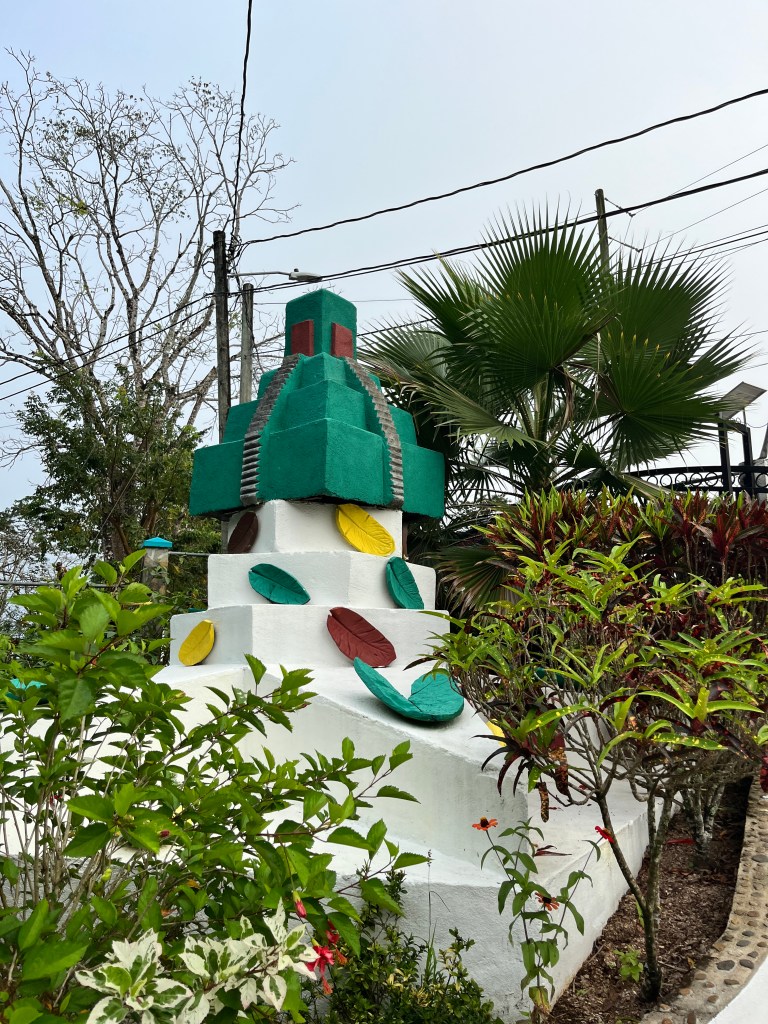
The town of San Ignacio is quaint, quiet (95% of everything was closed by 9pm), and very nice, but that’s not what brought us here. Our quest inland had 2 main goals during the weekend – the ATM caves (no money is dispensed) and the Mayan ruins of Tikal in Guatemala (what’s one more border crossing?!).
Let’s start with Tikal. After an early morning start, we are picked up by our guide and driven about 30 minutes to the Guatemalan border where we are handed off to another guide, some immigration checkpoints, and a 90 minute glimpse of the Guatemalan countryside as we make our way to Tikal. With insufficient data under our belts to say how or why, we felt Guatemala was very different from Belize, but still very welcoming and interesting. So much so that, should you stay tuned next year, it’s very likely you will find us reporting on a homestay Spanish immersion program located somewhere in Guatemala. The drive to Tikal is much more of the stereotypical developing country infrastructure – bumpy! But the “tush/back massage” is hardly noticeable because you are literally driving through a jungle with enough shades of green to make even the most Irish leprechaun jealous. Arriving at the parking lot in Tikal, we had the fleeting thought that “we’ve been suckered” because there is nothing around other than thick jungle. Not being the type of people to get overly excited by archeology and ruins, we were told these were stunning and should not be missed, but where were they?
We start walking with our guide. And walking. And walking. The inspiring jungle includes a compelling cast of jungle characters such as giant iguanas, howler monkeys, spider monkeys, iridescent wild turkeys and beautiful varieties of toucans (Fruit Loops did not do them justice).
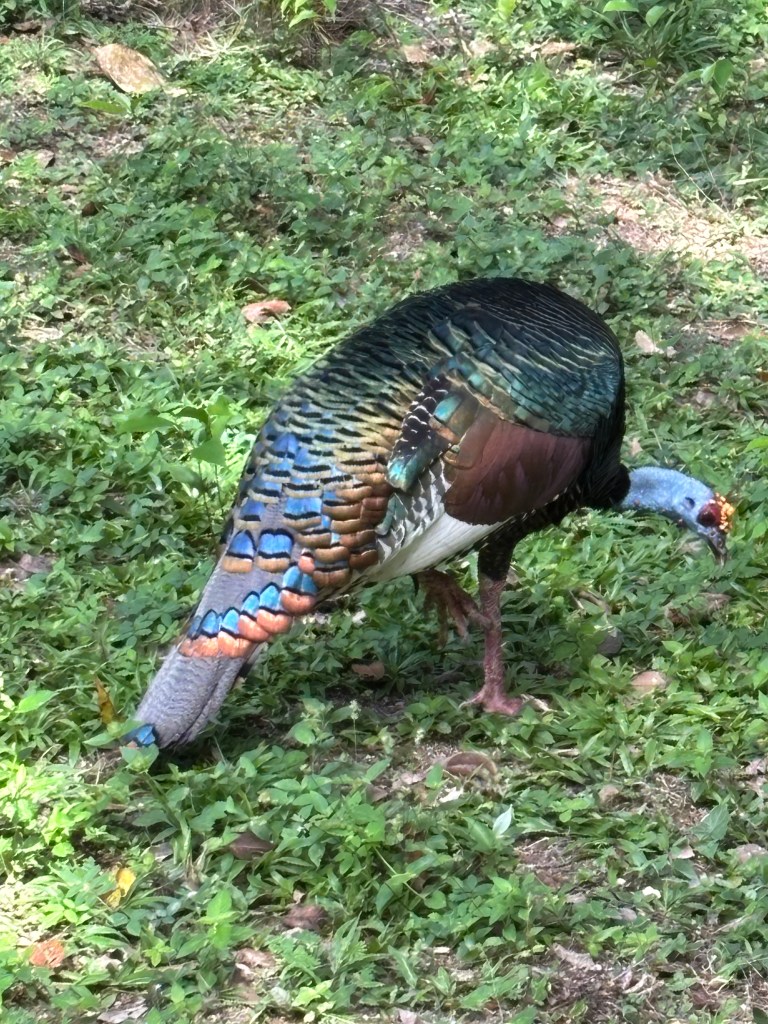
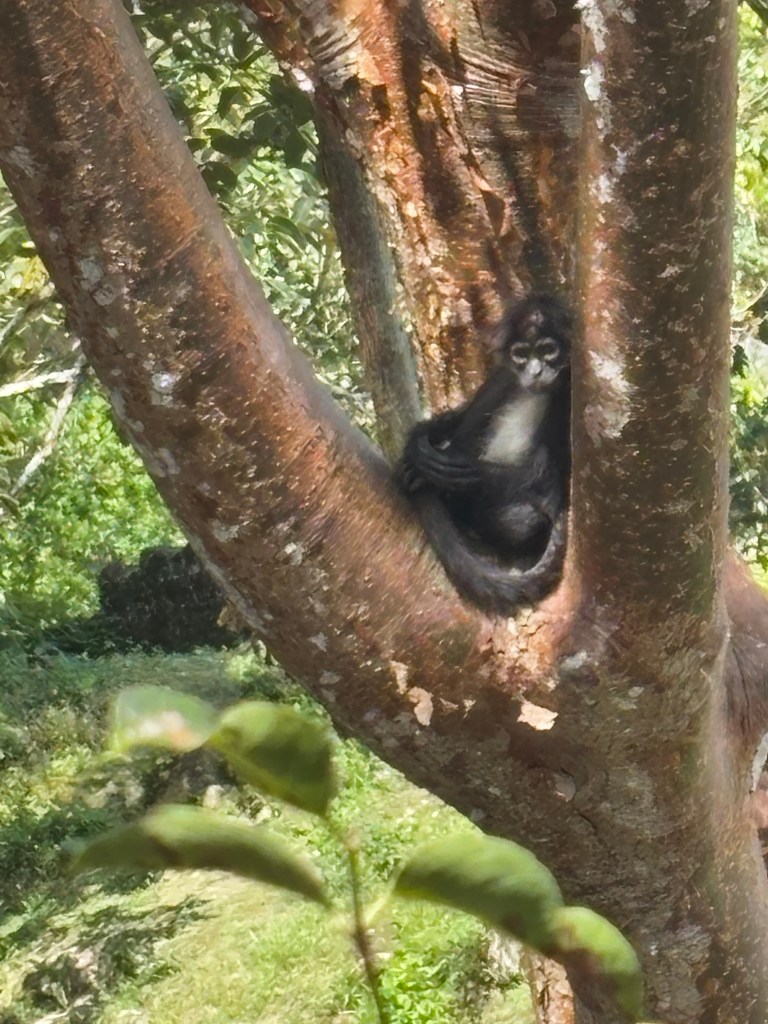
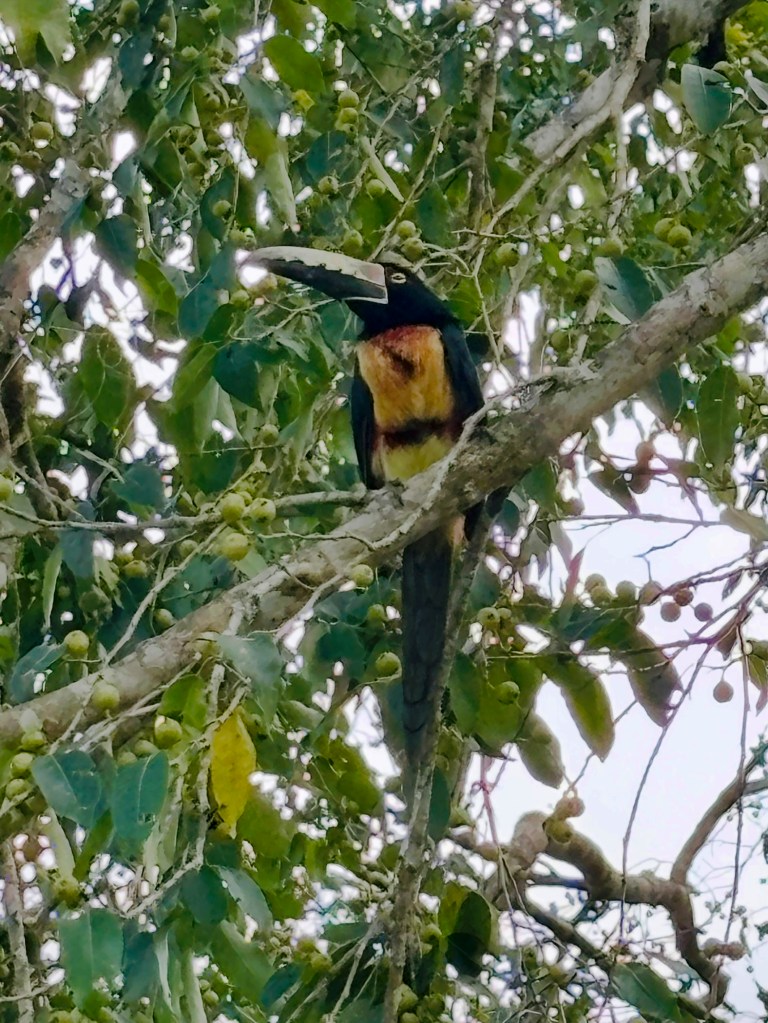
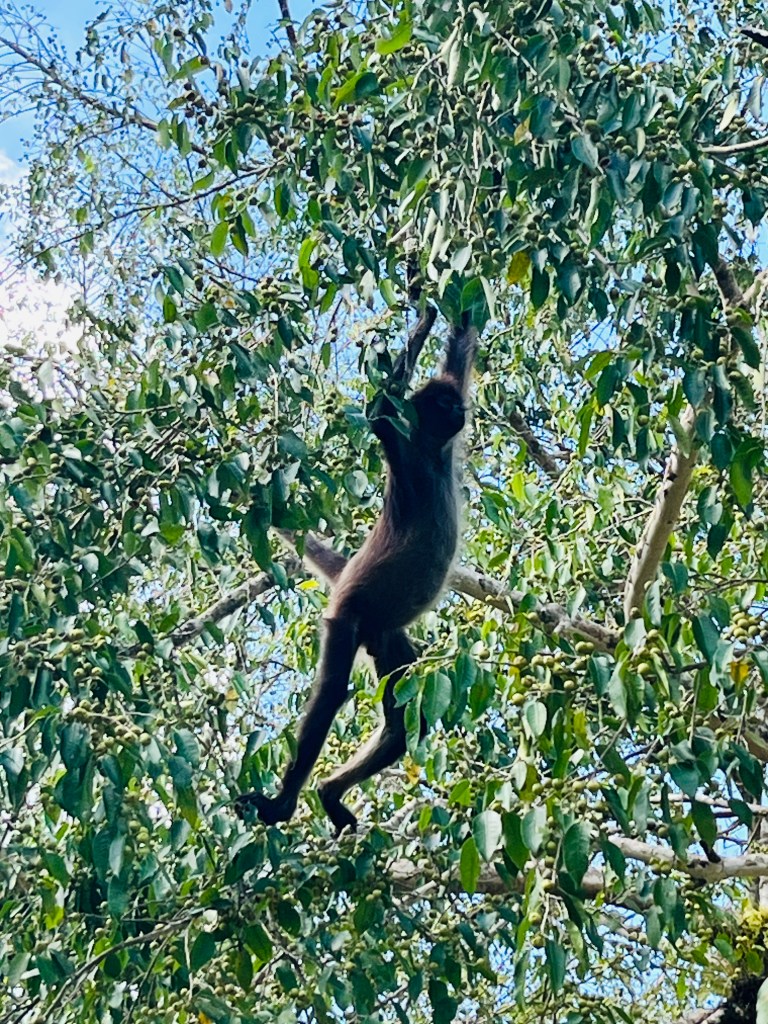
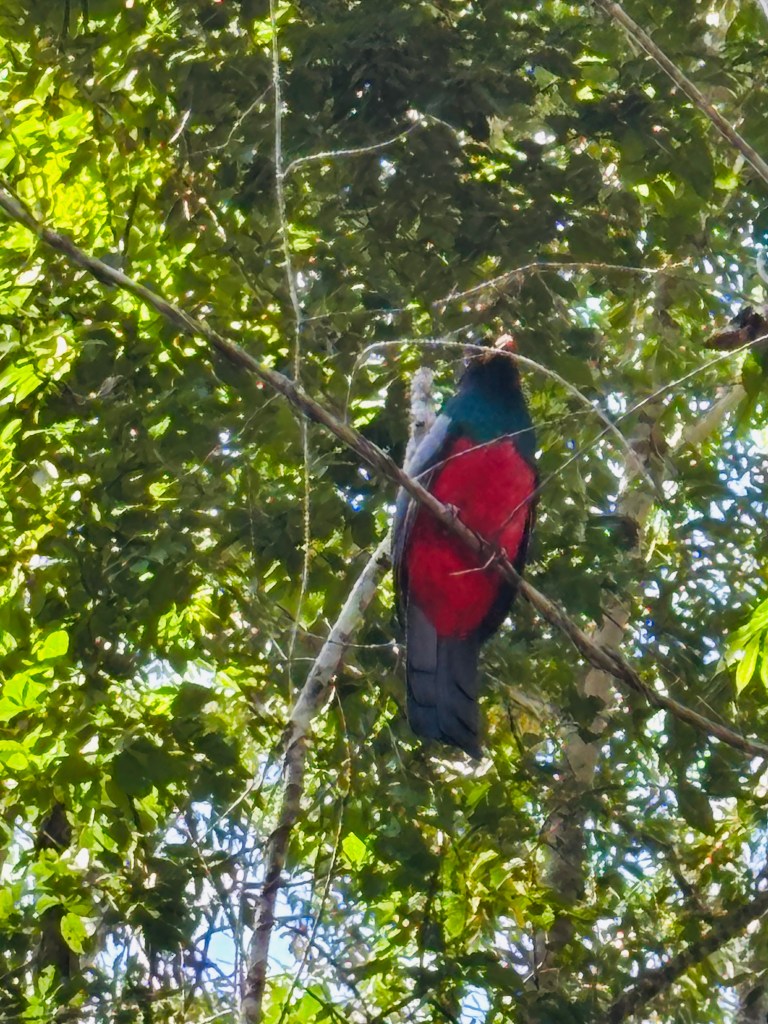
As for the incredible Mayan ruins…. expectations are dropping with each passing step as we can’t imagine anything all that immense or marvelous in the middle of all this jungle. And then it happens…out of nowhere…we burst out of the jungle onto a plaza ringed by Mayan palaces and Temples. Tikal National Park encompasses over 200 square miles of jungle and thousands of ruined structures. The central part of the ancient city contains over 3000 buildings (the vast majority have been reclaimed by Mother Nature) is about 6 square miles. The excavated Temples and buildings soar to the sky ranging from a few feet to close to 20 stories high, and date back over 1,500 years (we climbed 5 of them). The pictures give a sense of the strength and power of the ancient Mayans, but theirs is a story worth further exploration, not only because of their incredible culture but for what threatens to be a gloomy foreshadowing for our planet on a grander scale. The Mayans of Tikal were not wiped out by foreign armies or disease brought from across the oceans, as many other indigenous peoples suffered, but from a combination of overpopulation and the deforestation they engaged in to provide for their growing population, and the changing climate (in this case, a sustained empire ending drought around 900 A.D.).
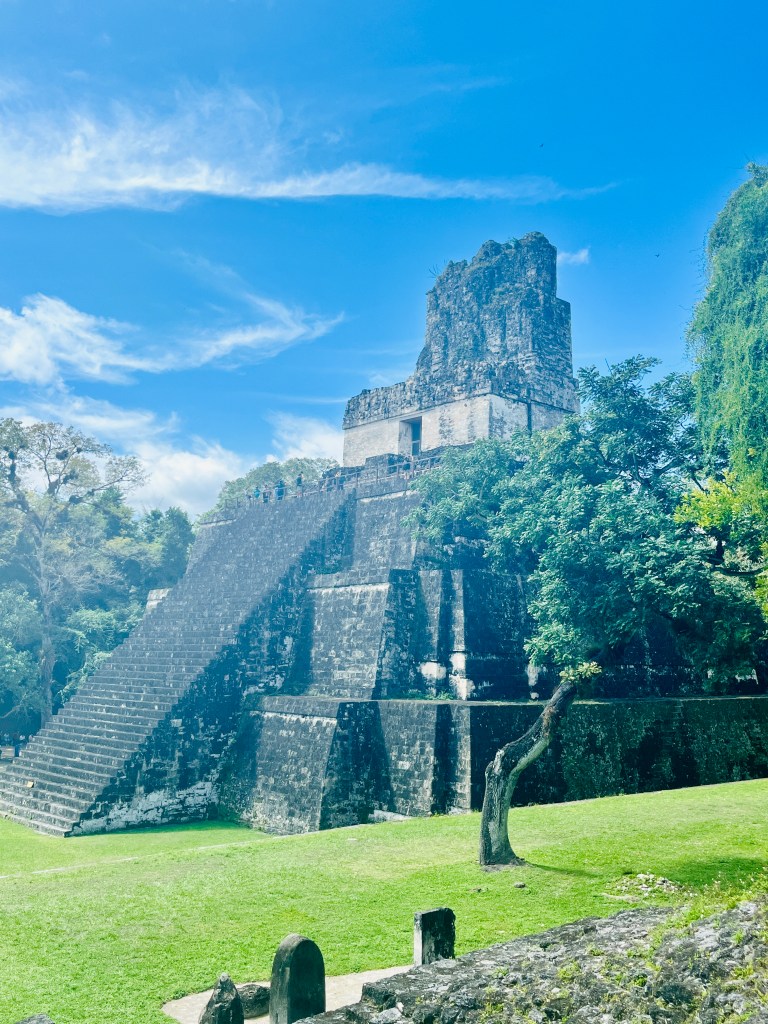
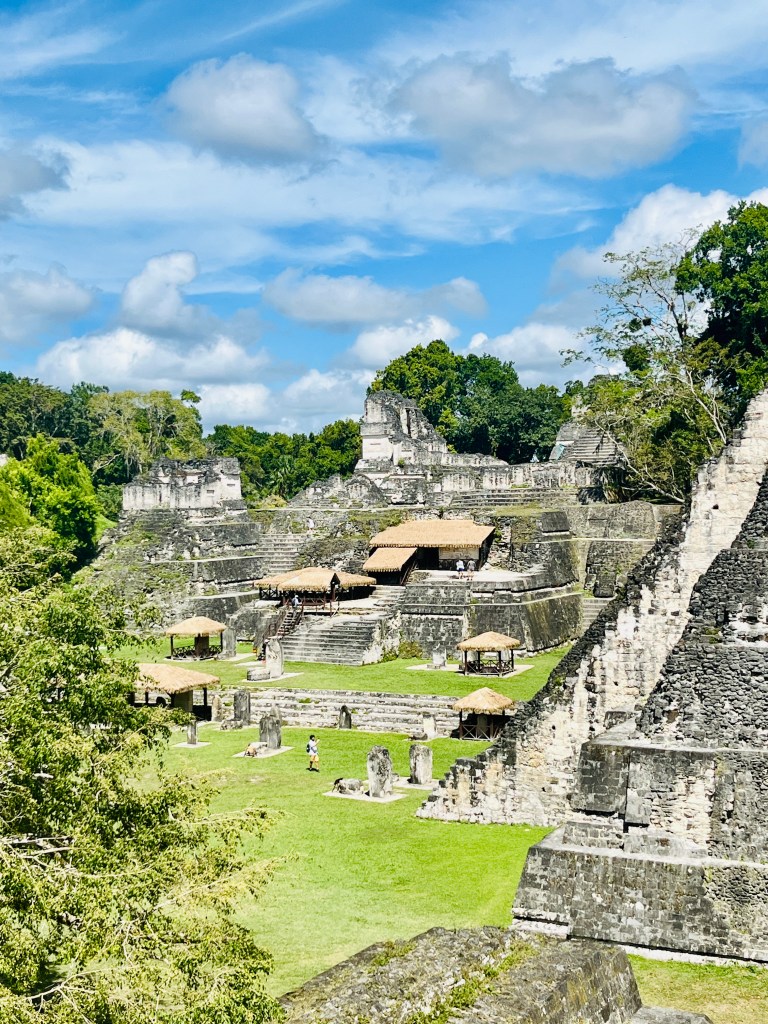
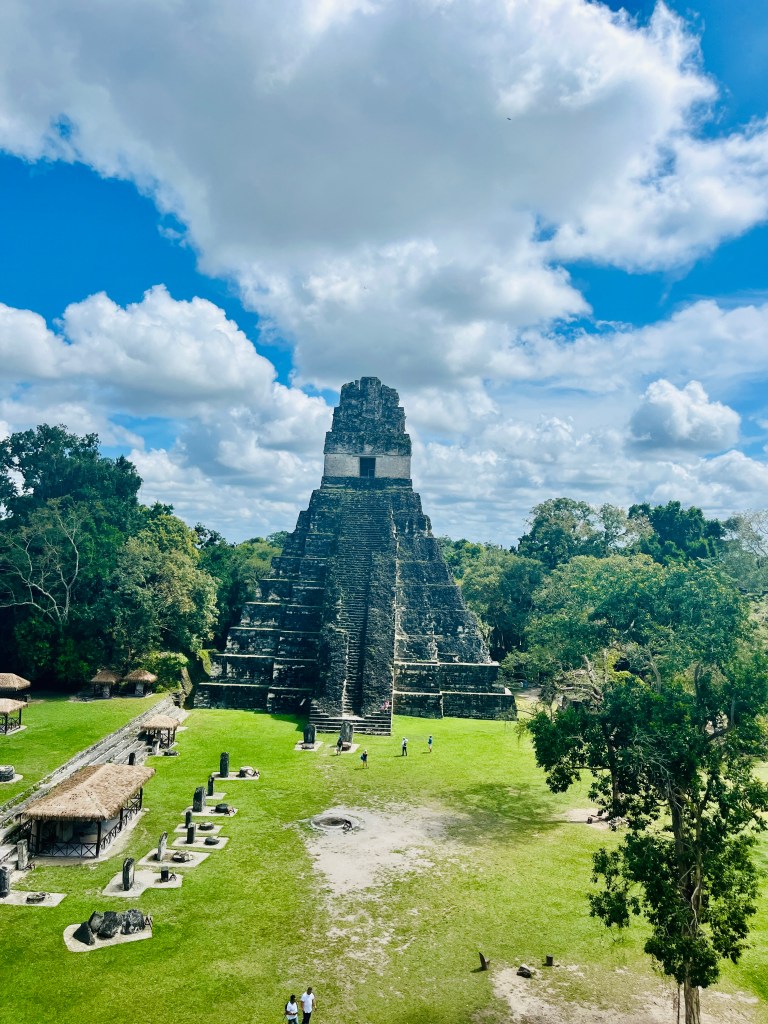
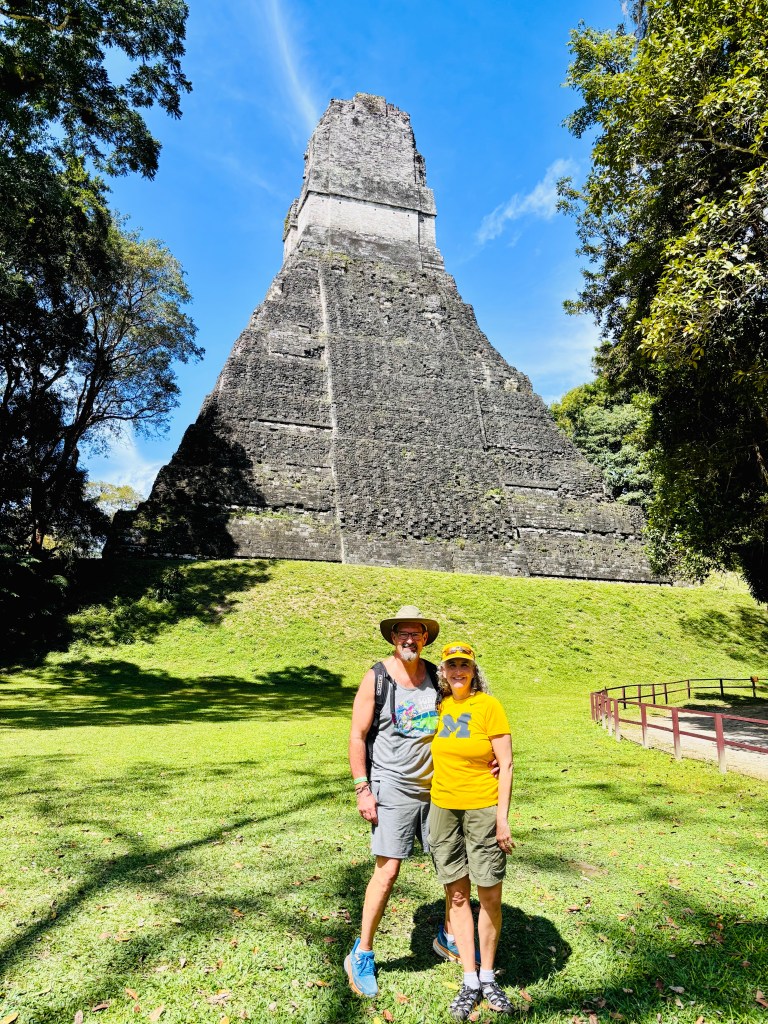


However, before their demise in Tikal, the Mayans were pretty damn incredible. From rich culture, art, and rituals in a pre-industrial city in the jungle of over 200,000 people, they also developed advanced mathematical concepts and a complex understanding of astronomy. The greatest attribute of the Mayans may have been their patience and powers of observation. They figured out astronomy not with a handful of brilliant scholars or tools, but by simply observing the skies and taking detailed notes for years, decades, and centuries, and then passing on and building that knowledge from one generation to the next. The Mayan calendar covers over 3,000 years (what they observed as a full celestial cycle) and it took all that time to observe and understand – talk about commitment – constructivist learning at its best!
So yes, Tikal lived up to expectations and we give it an unwavering “2 thumbs up” if you’re ever in the area. Pro tip: hire a guide – it’s worth every penny (and aren’t that many pennies to begin with); they have so much valuable information to share and it really brings the experience alive. Back over the bumpy road, through checkpoints and immigration, and 10 hours after this adventure began, we are tired, sweaty, and hungry, but could not be happier – tomorrow it’s onward to the ATM caves!
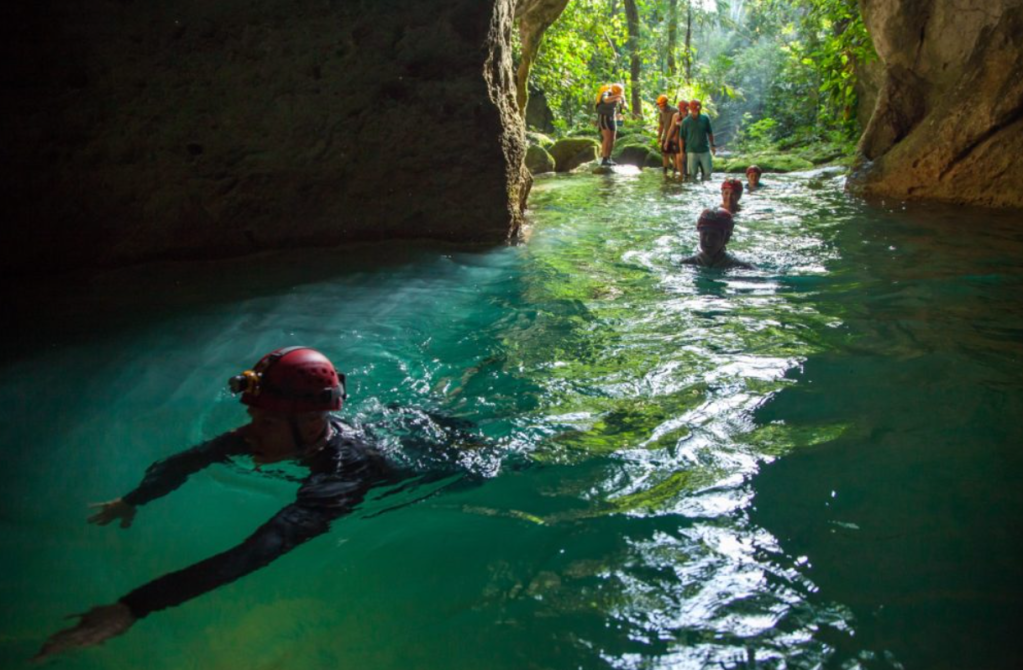
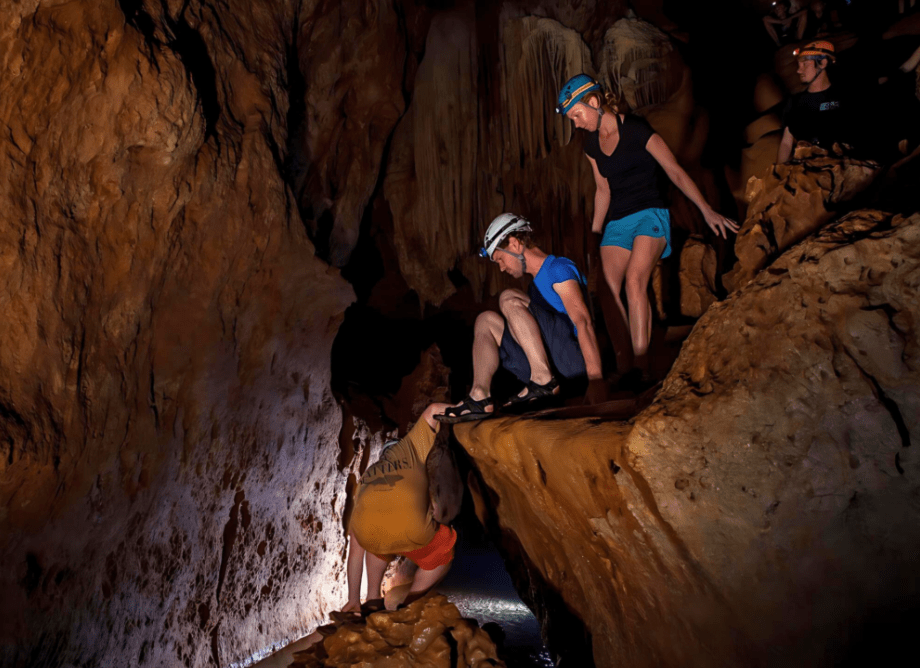
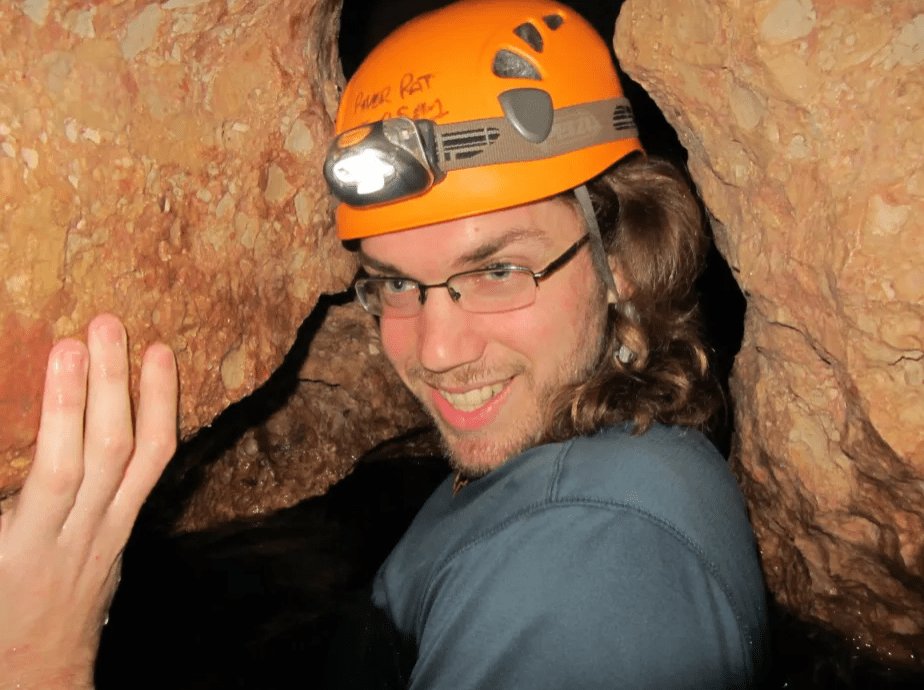
Visiting the Actun Tunichil Muknal (ATM) caves was indescribable but we will do our best to share our mind-blowing experience. First, a few important pieces of information. 1) The ATM caves can only be accessed by contracting with a licensed guide. Guides go through extensive training to learn the history and significance of the site, as well as first aid and rescue training (you’ll soon see why). Our guide, Orlando, was phenomenal and taught us so much! 2) This trip is not for the faint of heart or “couch potato” fitness level. It requires a fairly intense hike through thick, slippery mud, three river crossings, a comfort level to swim through dark caves (using headlights), the ability to scramble over large, askew rocks, and a willingness to contort one’s body in order to fit through passageways that look impossible to pass (see why first aid and rescue training are part of the licensing?). 3) Cameras aren’t permitted in the caves for a few reasons but the most upsetting one is that a tourist who was taking a picture of one of the most important artifacts in the cave (a skull) dropped his camera and broke the skull. Reasonably, that was the end of cameras in the cave and therefore, we have no pictures to share. However, the ever-omnipotent Google has images to share so we are including some screenshots of photos, which were either taken illegally or before the law was enacted (with our apologies to the photographers whose work we did not properly credit and the random people featured who we do not know). In addition, we will do our best to build these images for you with our words, but similar to Tikal, we highly recommend you come see them for yourselves.
Once we made it through the mud-thick slippery hike and three river crossings, we arrived at the entrance of the caves. The cave system is a vast labyrinth of unknown size into which we could only venture a half mile. In total, we probably spent two hours in the caves; the cave formations and structures alone are incredibly beautiful. Enormous stalactites and stalagmites, which are formed when water containing calcium carbonate drips slowly from cracks in the cave ceilings, form the most awe-inspiring structures. It can take thousands of years to grow a single inch and there were massive structures in there, even some full floor-to-ceiling columns. We walked for a little while until it was time to swim, and the rest of the journey alternated between swimming, walking, and scrambling over rocks.
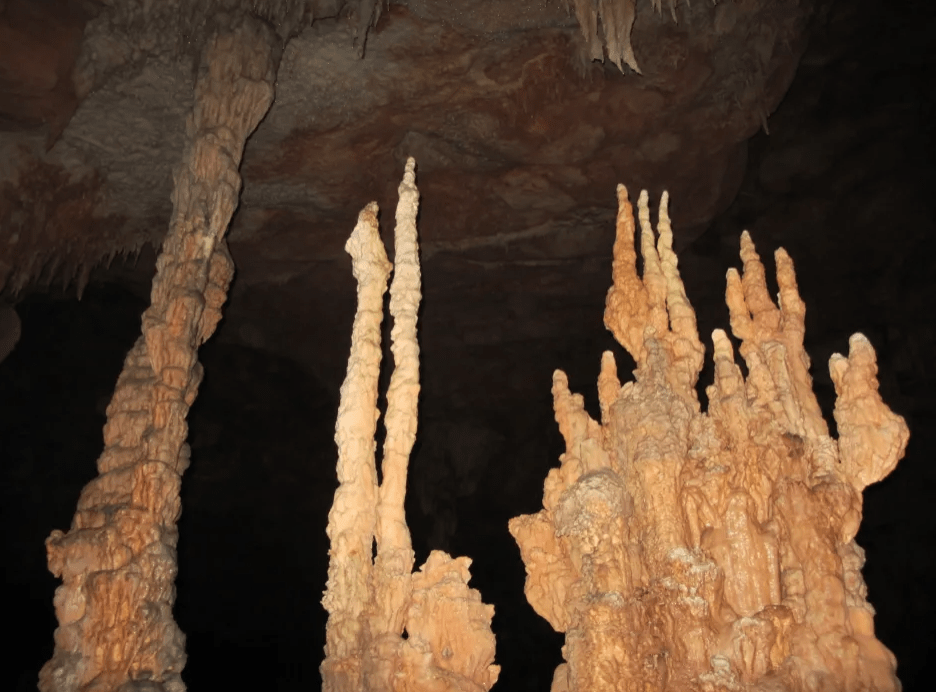

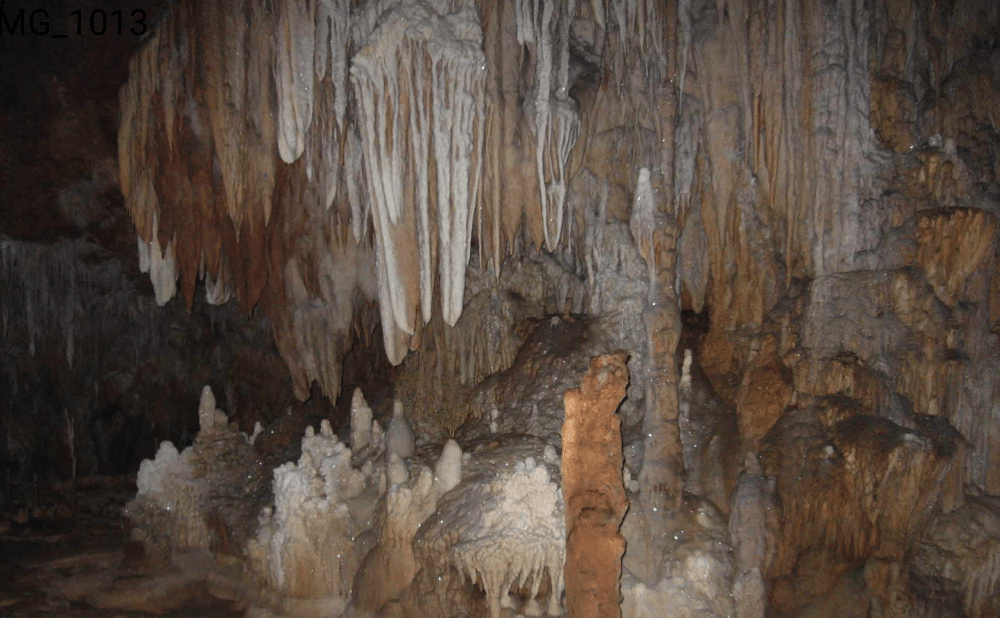
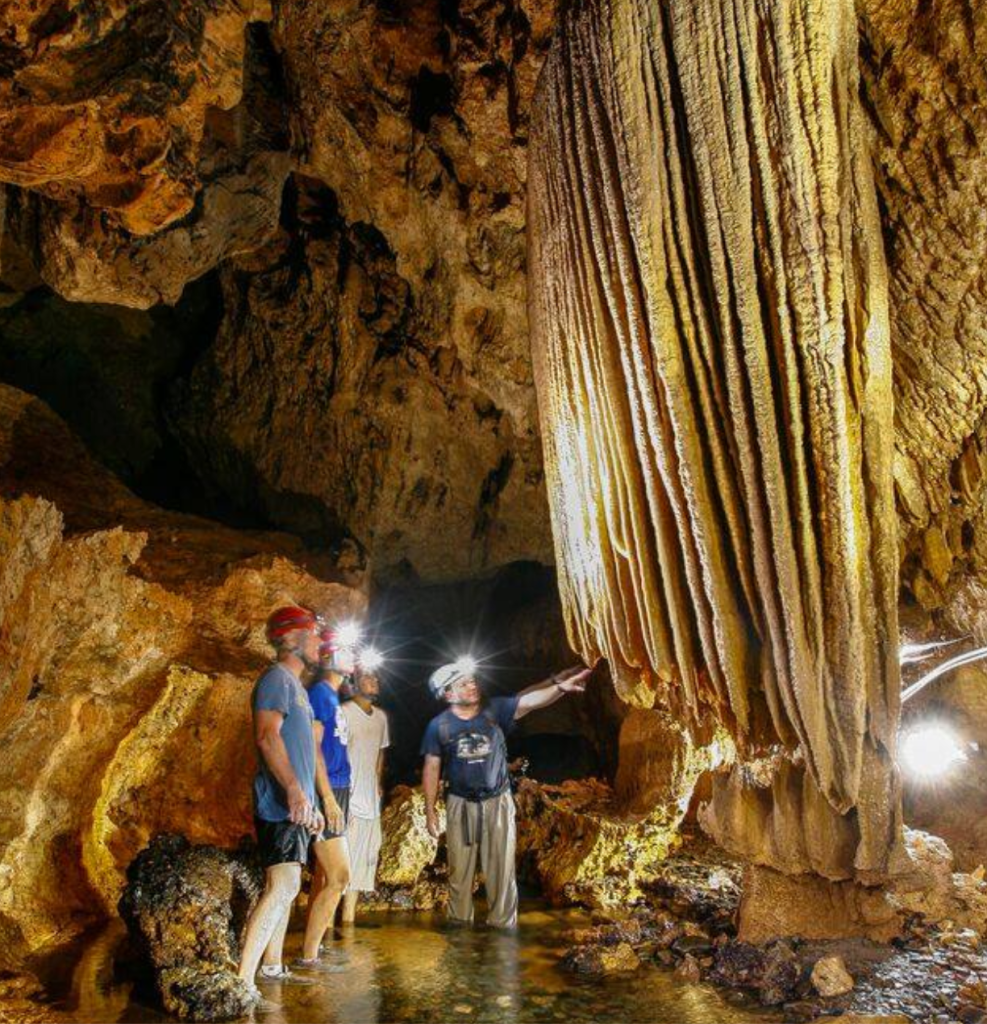
A sacred space for Mayan rituals from about 300-900 A.D., only elites and high-ranking spiritual practitioners were permitted to enter for prayer and sacrifice. The Mayans believed Chaac, the rain god, could be accessed through this portal to the underworld and they would bring him offerings, such as incense and maiz, to please him in return for rain. You can see literally hundreds of shards of pottery (they would smash the pottery after placing the offerings on the alters to try and awaken Chaac); there is a small piece of yellow tape on the path between you and these artifacts. It is known as a living museum, and one can see why – you are literally inches away from the pieces. As the drought increased along with the number of mouths to feed, the Mayans felt they needed to up their game to please Chaac so they began blood-letting rituals. When that didn’t work, they started sacrificing fingers, and you can come within inches of these small bones on the cave floor. Finally, at the upper echelons of the accessible cave, you will find evidence of human sacrifices as the last ditch effort of the Mayans to appease Chaac and bring rain. There are two partial skeletons to view and a full, intact skeleton of a woman known as the crystal maiden (though there’s some disagreement among scholars who believe it was a 17 year old boy), which is the pinnacle of this tour. It is crazy to get within inches of this skeleton that has been there for over 1000 years.
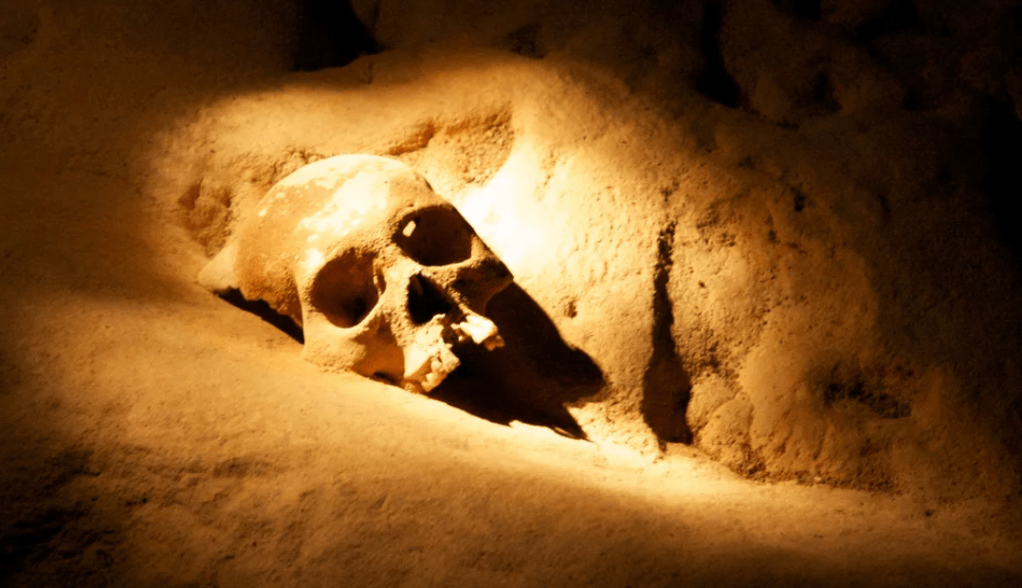
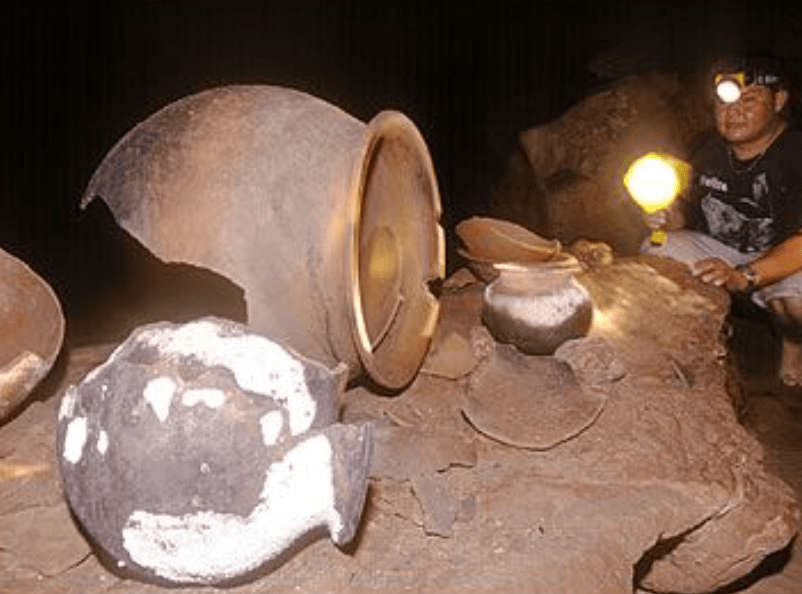
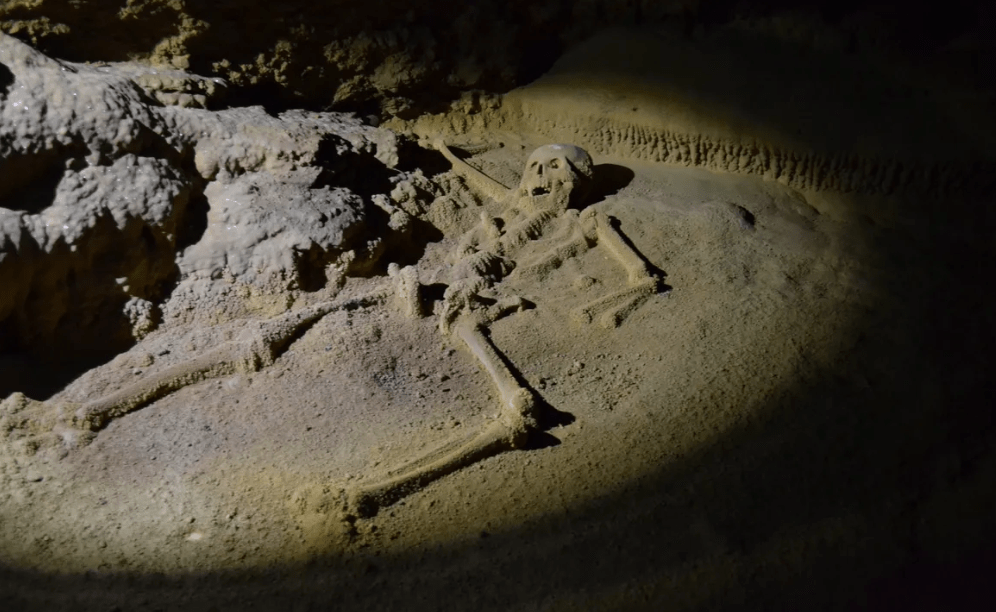
Our minds full of fascinating new information, the trek back through the cave required us to put all of that aside to return safely to the mouth of the cave. This is where our contortionist skills were required as we had to crane our neck in just this way, and thread one leg through a small opening in just that way to get through the impossibly challenging openings. We swam back through the cave, crossed the river three more times, and slid through the thick, slippery mud just in time to arrive at the trailhead, where we cleaned up in order to partake in the Belizean lunch feast offered by our guide. Debriefing the journey with Orlando and the four other guests helped solidify these memories. What an incredible experience!


 jeneric journeys
Leave a reply to Beth P Cancel reply