One of the things that was important to us when planning these residencies was finding ways to give back to and support the communities in which we live. There are a few opportunities we’ve found to do so and one that has been incredibly meaningful to Jen is volunteering at one of the local schools.
To set the stage, let me tell you a little about what we’ve learned about life and education on Ambergris Caye. By way of reminder, Ambergris Caye is an island (actually a peninsula) off the coast of mainland Belize. The island primarily caters to tourists and ex-pats, and one advantage to the Belizeans who live here is that one is more likely to make a better salary/hourly rate on the island than on the mainland; the flip side is that it’s much more expensive to live here.
One of the highest expenses for families on the island is the cost of education. While public education is free and ubiquitous on the mainland, all schools on the island are either private or diocese schools, neither of which are free, and some of which are not easily affordable. It can cost families up to $150 USD a month to send their children to school here (minimum wage is $2.50 USD). In addition, none of the essential materials are included in that cost, e.g. basic school supplies, required school uniforms, and even a desk, though breakfast and lunch are provided. And sometimes the barrier to a consistent education is simply a lack of access to affordable basic hygiene products. For example, when the school noticed a high rate of absenteeism each month for girls in 6th, 7th, and 8th grade, they discovered that the families couldn’t afford feminine hygiene products so they just kept the girls home for the days of their period. For high school, some families choose to send their children on the 1.5 hour ferry ride (each way) to Belize City to attend public school – the cost of the ferry is less than the cost of the private or diocese schools and some believe their children will get a better education there. However, to many Belizeans, education beyond 8th grade is not essential because the rudimentary education they receive through their primary school education is enough to prepare them for the kinds of hospitality, construction, and tourism jobs they will likely seek.
Several weeks before arriving in Belize, I reached out to the Principal at one of the diocese schools, Holy Cross Anglican School, and offered my volunteer services. After discussing several ways I could help, she chose her top priority, which was to have me support a promising new teacher. We settled on a mentoring relationship with this teacher who had just completed her teacher preparation program in December and was placed in her first classroom at Holy Cross in January. Teacher education here is minimal. After achieving a two-year associate’s degree that includes three months of student teaching, teachers can apply for their teaching credential. Similar to many places around the world and certainly in the United States, the number of talented people entering the field is low, and the number of talented people leaving the field is high. It is a hard job and is especially hard here, where the resources are so very limited.
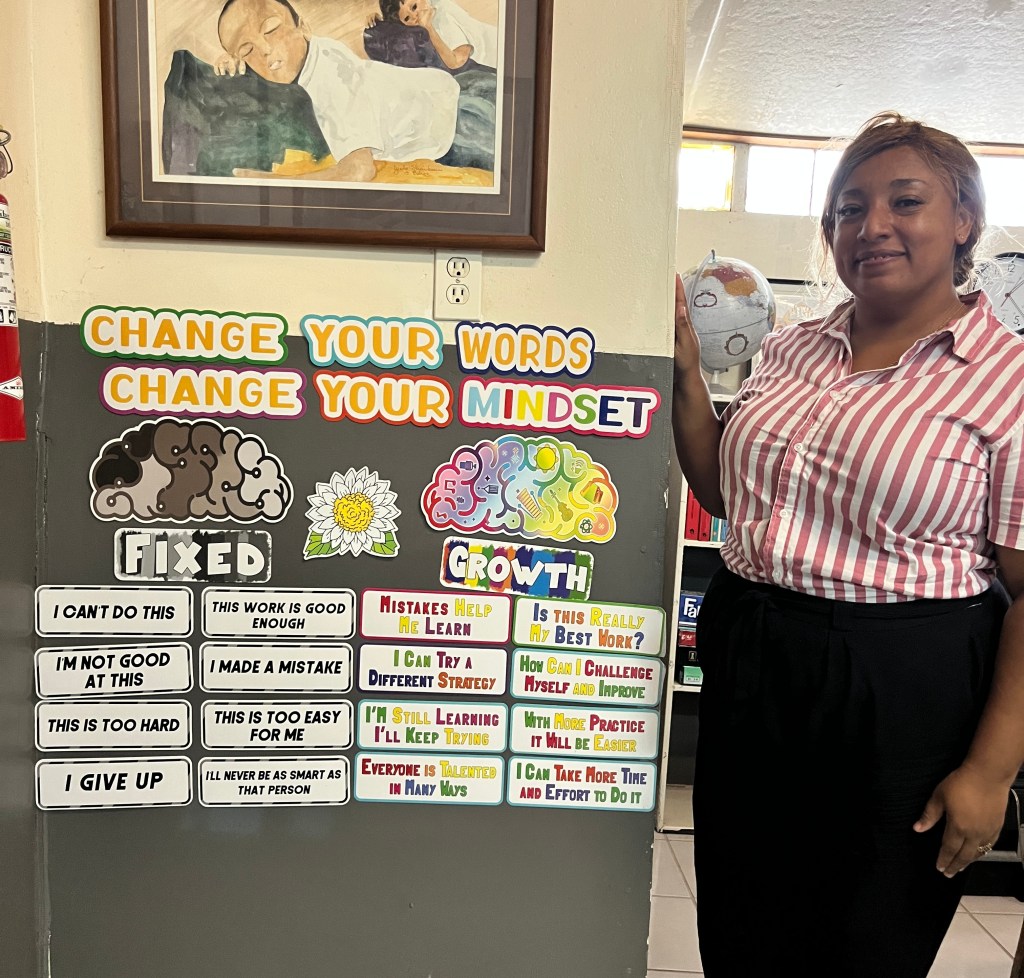
This is the Principal at Holy Cross, Ms.Torres. She is standing next to a bulletin board in her office that says, “Change your words, change your mindset.” For those of you who know me from Hebrew Day School, you’ll recognize these Growth Mindset ideas from my incessant encouragement of them over the course of many years. I am passionate about helping children and adults feed their growth mindsets. Ms. Torres is one of my people and I deeply connected with her over this, and many other ways she leads her school. I look forward to continuing to coach and support her, even when we return to the States.
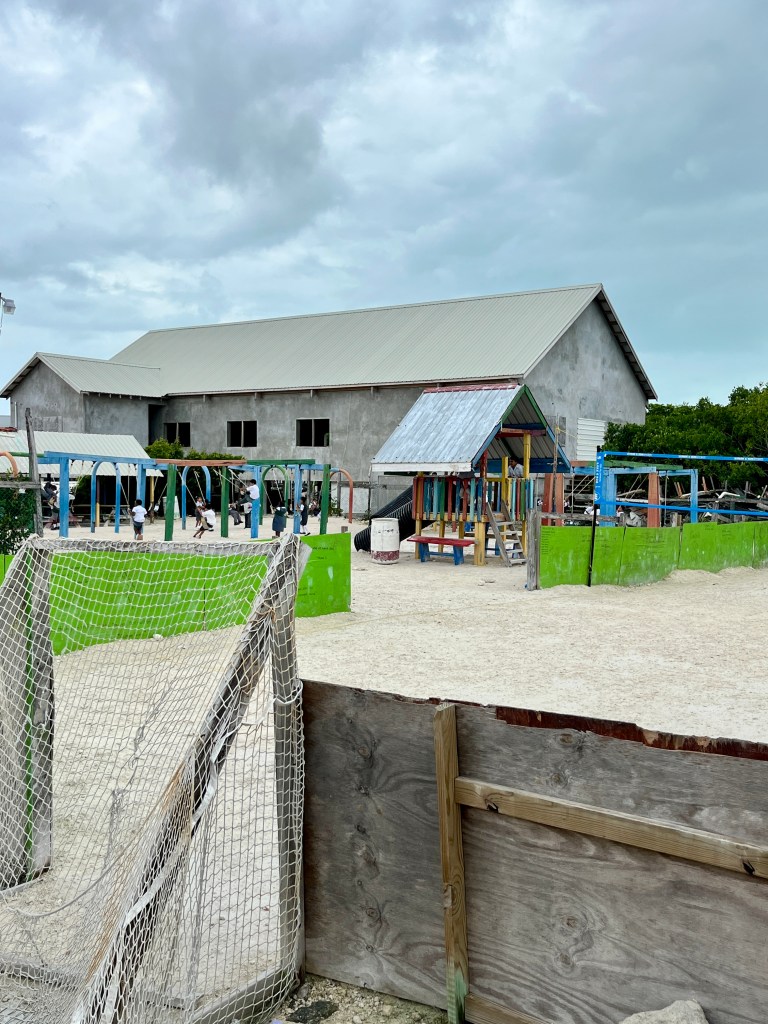
There are 30-40 students per class. They learn in clapboard buildings with cement or wood floors. There is no air conditioning but most rooms are equipped with ceiling fans and floor fans, which don’t seem to make a dent in the thick, hot air. They have a playground with some playground equipment (and, of course, a futbol/soccer ‘field’) but there’s not a lick of grass to be found. Yet, they run around and squeal with delight, chase each other, make up games, swing, and enjoy being kids.

It’s easy to get a feel for how important love and kindness are here because they are observable in some way, everywhere one goes. We’ve written about this in other blog posts – Belizeans always smile and say hello, they invite you to merge in front of them, they ask you if you need help, and they provide that help even when you’re stubborn about accepting it; they will ask for nothing in return. Navigating the enormous potholes and chaotic streets of Ambergris Caye is made easier when every light post you pass bears a yellow hand-painted sign reinforcing these values.

And this kind of love and kindness, infused with respect, is deeply embedded in the culture of this school. It is explicitly taught and resolutely expected. One can see it in the ways the students interact with one another and their teachers. Anytime a visitor walks into a room, all of the students rise and warmly welcome them; many of the younger students eagerly approach to offer hugs. There is a sense of pride and duty around these values and it’s clear they make this place and these people, quite special.


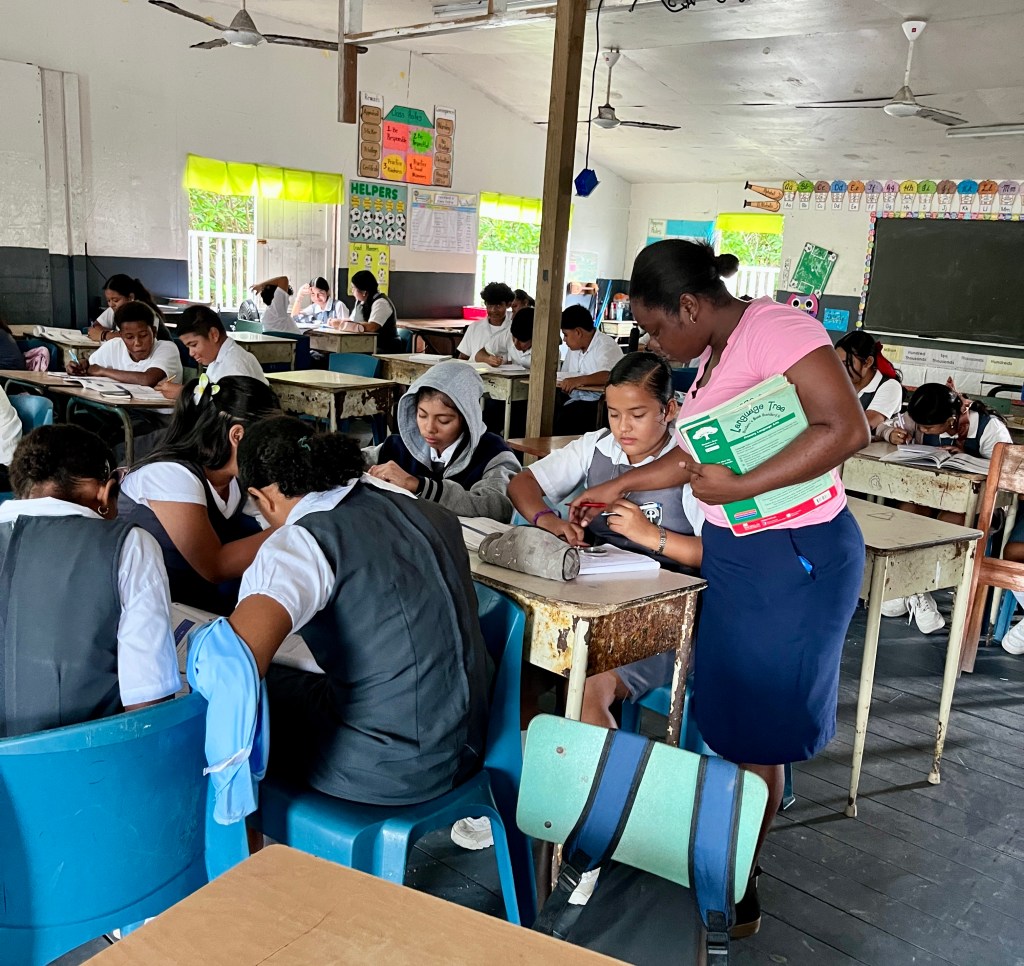
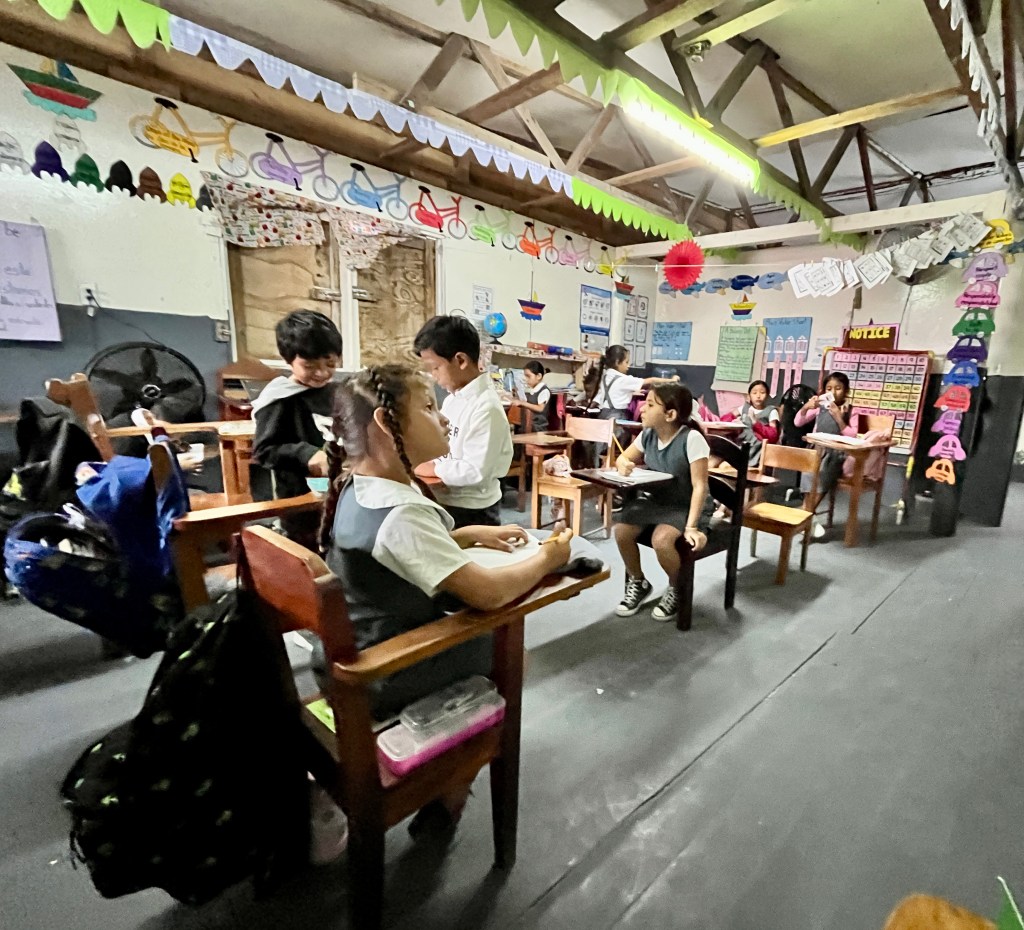
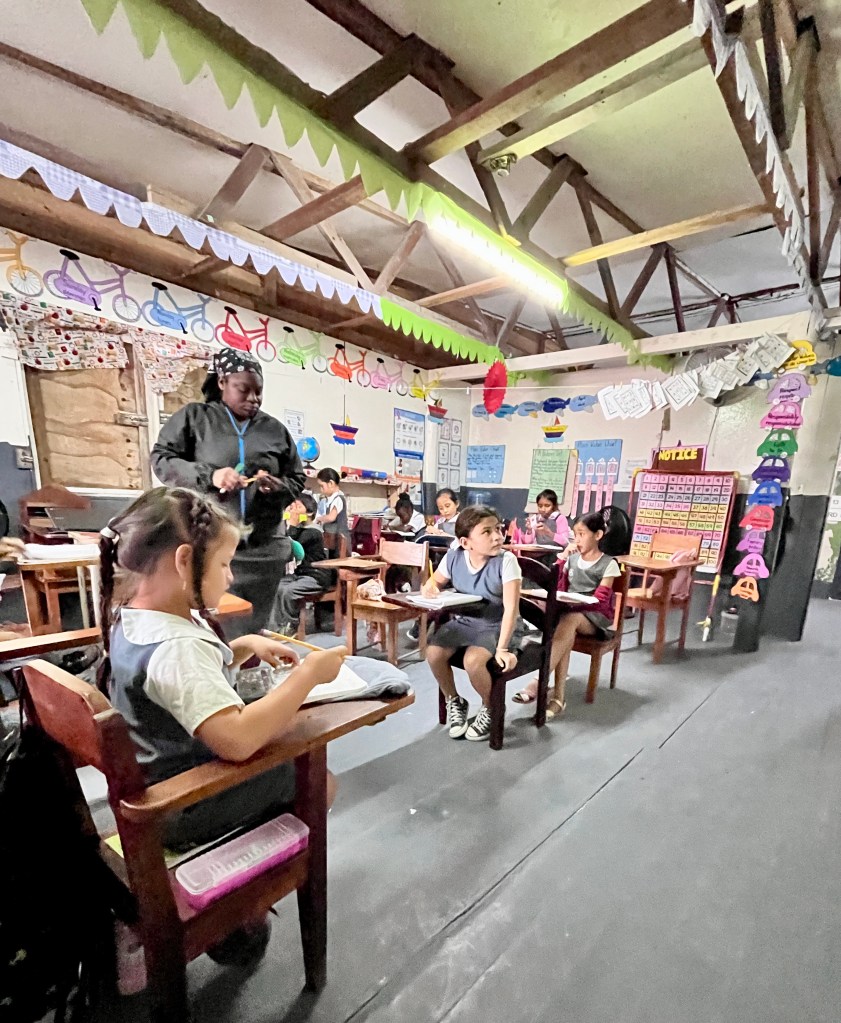
Finally, I want to introduce you to Ms. Iesha. In addition to coaching the principal, she is the teacher I have been working one-on-one with to support her professional growth and learning. We work on classroom management, lesson planning, stress management, and work/life balance. She has an adorable four-year-old son and a husband who is a soldier who is frequently away. Her family lives on the mainland and she has little, if any, support system here. She is just learning the many aspects of this incredibly complex, demanding job. I have been able to do some model teaching for her and serve as an extra set of hands in her busy classroom. Her life is hard and she can barely make ends meet. Yet, as so many teachers do, she stays in it for the kids, and because she is passionate about education. She is an incredibly dedicated, promising young teacher. I can only hope that my small contribution to her early professional growth helps her develop into all she hopes to be.
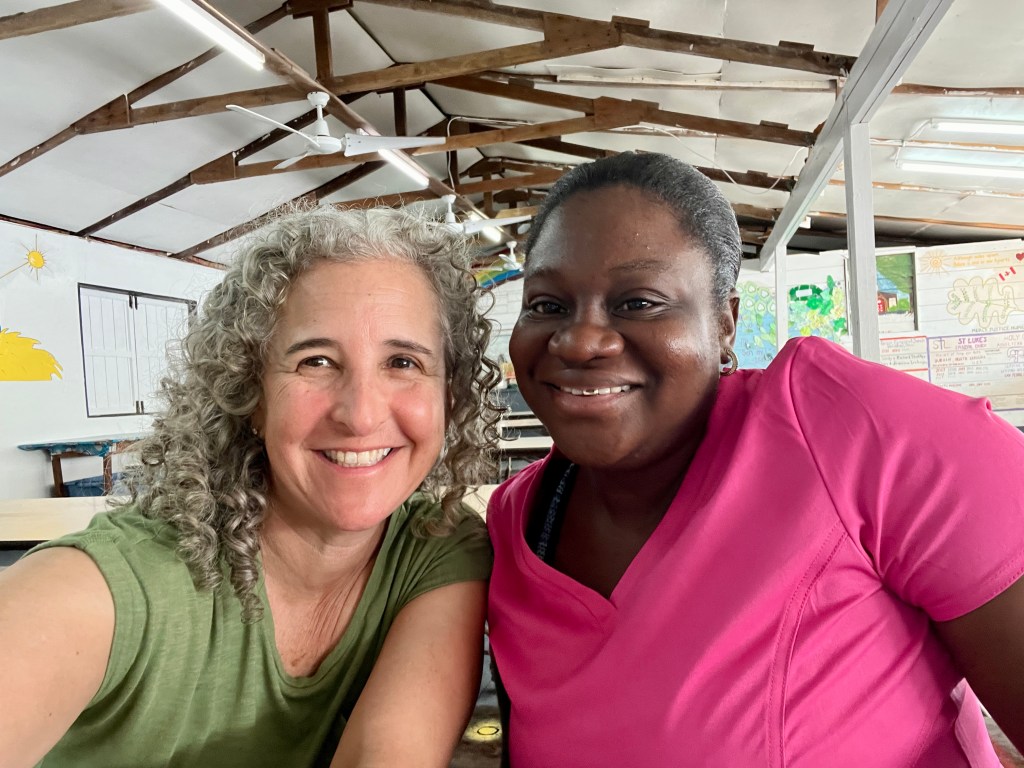
Eric’s note: Jen’s volunteering is a prime example of how we have sought to transform our experience from an extended vacation to a novel living experience in a new substrate of cultures. Jen’s involvement in this school perfectly coincides with the visions we had in mind as we undertook these “residencies.” As much as we enjoy the incredible scuba diving, new food, and time with each other (yes – we still love being together and are incredibly compatible and happy after spending almost 24/7 with each other), connecting with, learning about, and supporting new people and communities has made this journey exponentially more rewarding.


 jeneric journeys
Leave a reply to Laurie Cancel reply